
- Compare agents
- Online valuation
- Explore my area
- Home toolkit
- News & guides


- Estate agents by area
- Sold house prices by area
- Estate Agent ValuationRequest an in-person valuation with an agent to discover your property's true market value.
- Online Valuation ToolGet a free instant estimate of your home's value.
- EPC CheckerFind out if your home has a valid Energy Performance Certificate.
- Listing MonitorAlready on the market? See how your online property advert is performing.
- Estate Agent Fee CalculatorSee typical local agent fees, including VAT.
- Cost of Selling CalculatorPlan your budget for agent fees, legal work and moving.
- Stamp Duty CalculatorEstimate SDLT, LBTT or LTT for your next purchase.
- Selling guides
- Estate agent guides
- Mortgage advice
- Conveyancing guides
- Property news See All News & Guides
Agent shortlist
HouseWorth
- What should the humidity be in your house?
Advice about properties12 December 2025
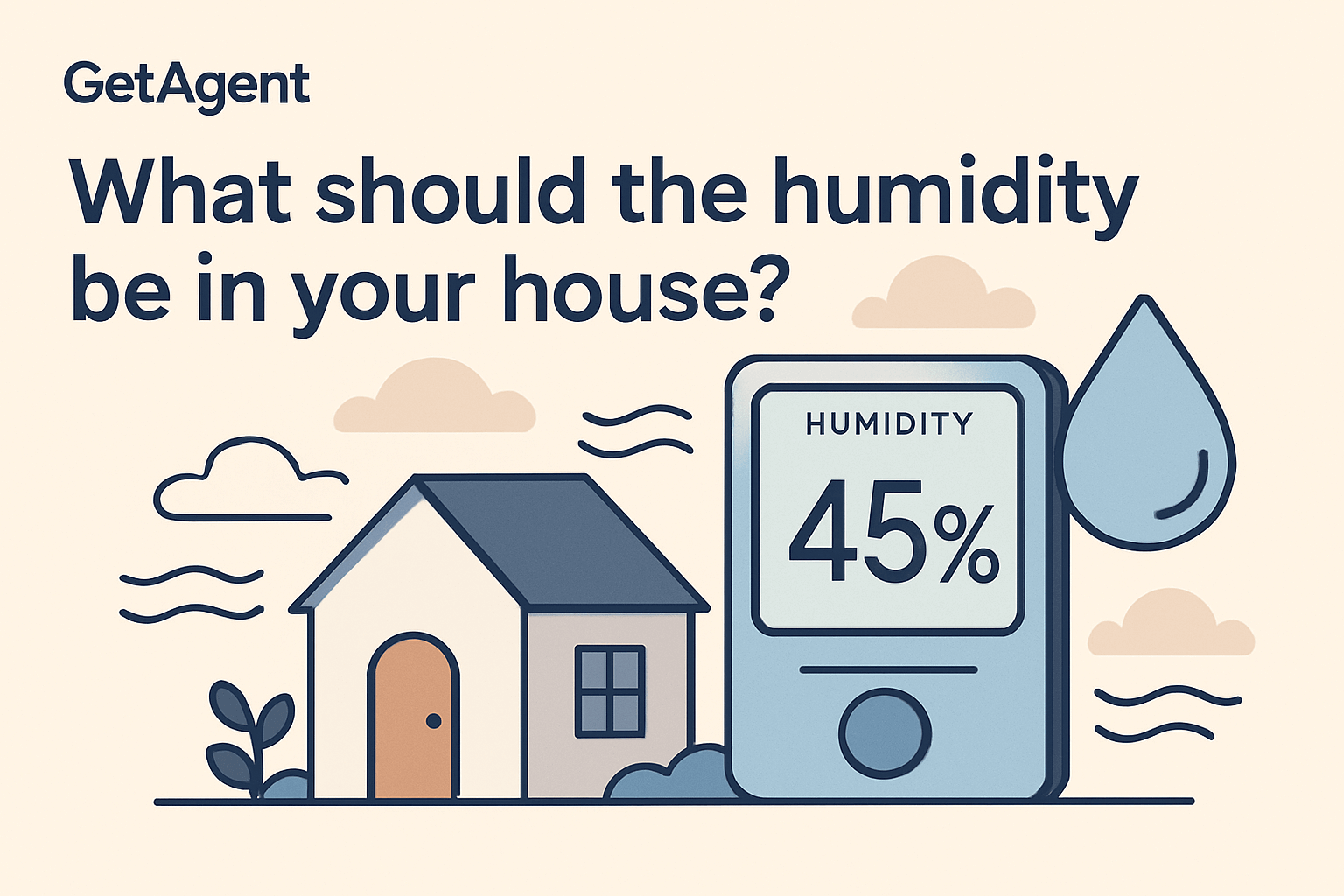
What should the humidity be in your house?
Sam Edwards
Content Marketing Manager
Estimated reading time: 5 minutes
Table of contents
- 1. Why Indoor Humidity Matters
- 2. Optimal Humidity Levels
- 3. Health and Comfort Benefits
- 4. How to Measure Indoor Humidity
- 5. How to Adjust Indoor Humidity
- 6. Lowering High Humidity
- 7. Raising Low Humidity
- 8. Seasonal Considerations
- 9. Common Myths and Misconceptions
- 10. Tips for Long-Term Maintenance
- 11. Conclusion
Maintaining the right humidity level in your home is crucial for both comfort and health. Too much moisture can lead to mold growth, musty odors, and even structural damage, while overly dry air can cause irritated skin, respiratory issues, and static electricity. But what should the humidity be in your house to strike the perfect balance? In this guide, we’ll explore optimal humidity ranges, the benefits of keeping levels in check, how to measure and adjust humidity, and practical tips to maintain a comfortable indoor environment year-round.
Why Indoor Humidity Matters
Indoor humidity plays a vital role in your overall well-being and the upkeep of your home. Humidity that’s too high or too low can cause:
- Respiratory problems and aggravated allergies
- Increased risk of viruses and bacteria thriving
- Damage to wood floors, furniture, and paint
- Higher energy bills as your HVAC system works harder
- Discomfort due to clammy or overly dry air
By understanding what should the humidity be in your house, you can protect your health, preserve your interiors, and ensure efficient energy use.
Optimal Humidity Levels
According to experts, the ideal indoor humidity level is generally between 30% and 50%. This range is wide enough to prevent the growth of mold and dust mites, yet high enough to keep the air comfortable and protect your respiratory system.
- 30% to 40% (Winter)
In colder months when heating systems dry out the air, aim for the lower end (around 30–40%) to prevent condensation on windows and reduce the risk of mold in cold spots. - 40% to 50% (Summer)
During warmer months, slightly higher levels help cool the air naturally and reduce static electricity, while still staying below the threshold where mold and dust mites flourish.
Health and Comfort Benefits
Maintaining indoor humidity within the recommended range offers several advantages:
- Improved respiratory health
Proper humidity soothes your airways and sinuses, reducing symptoms of asthma, allergies, and colds. - Reduced allergy triggers
Dust mites and mold spores struggle to survive below 50% relative humidity. - Better skin and hair
Avoids the dryness, flakiness, and irritation that come with low humidity. - Enhanced comfort and sleep
Balanced moisture levels help regulate temperature perception, leading to better sleep quality. - Preservation of home furnishings
Wood floors, furniture, books, and musical instruments stay in good condition without warping or cracking.
How to Measure Indoor Humidity
To find out what the humidity is in your house, you need a reliable hygrometer. Options include:
- Digital hygrometers – Accurate, often combined with a thermometer, and easy to read.
- Analog hygrometers – Stylish and simple, but may require manual calibration.
- Smart home sensors – Connect to apps for real-time monitoring and alerts.
Place your device in frequently used areas like the living room and bedroom, away from direct sunlight, heaters, or windows. Check readings at different times of day, since humidity can fluctuate with temperature and HVAC cycles.
How to Adjust Indoor Humidity
If your hygrometer shows readings outside the 30–50% range, you can take several steps to bring levels back into the optimal zone:
Lowering High Humidity
- Use dehumidifiers
Portable or whole-house dehumidifiers remove excess moisture. - Improve ventilation
Install exhaust fans in bathrooms and kitchens, and open windows when weather permits. - Fix water leaks
Repair leaking pipes, roofs, and seals to eliminate moisture sources. - Air conditioning
Running your AC naturally lowers humidity as it cools the air.
Raising Low Humidity
- Use humidifiers
Ultrasonic, evaporative, or steam humidifiers add moisture. - Place water basins near heat sources
Small bowls of water on radiators or vents gradually release humidity. - Indoor plants
Many houseplants transpire moisture, boosting humidity levels naturally. - Dry laundry indoors
Hanging wet clothes and towels on racks contributes to indoor moisture.
Seasonal Considerations
What should the humidity be in your house can vary by season. In winter, indoor air tends to be drier, so you may need a humidifier to maintain at least 30%. In summer, high outdoor humidity can infiltrate your home, making dehumidifiers or running air conditioning more critical. Regularly check and adjust throughout the year to stay within the healthy range.
Common Myths and Misconceptions
- Myth: “Higher humidity always feels more comfortable.”
Fact: Beyond 50%, air can feel muggy and promote microbial growth. - Myth: “Dehumidifiers dry the air too much.”
Fact: Modern units have adjustable settings to keep humidity within safe limits. - Myth: “Humidifiers cause mold.”
Fact: Only if overused without proper maintenance and cleaning.
Tips for Long-Term Maintenance
- Schedule HVAC inspections and clean or replace filters regularly.
- Run bathroom and kitchen exhaust fans during and after use.
- Keep gutters and downspouts clear to prevent water seeping into basements.
- Monitor humidity daily during extreme weather changes.
- Clean humidifiers and dehumidifiers according to manufacturer guidelines.
Conclusion
Knowing what should the humidity be in your house—and how to achieve it—can dramatically improve your indoor air quality, health, and comfort. Aim for a relative humidity of 30% to 50%, use the right measuring tools, and employ dehumidifiers or humidifiers as needed. With the right balance, you’ll create a healthier living environment, protect your home’s structure, and enjoy a more comfortable atmosphere all year round.
Thinking about
selling your home?
Picking the right estate agent is vital for a successful sale. GetAgent makes choosing simple. Discover the best performing agents in your area.
- Free
- Data-driven
- No obligation
Thinking about
selling your home?
Picking the right estate agent is vital for a successful sale. GetAgent makes choosing simple. Discover the best performing agents in your area.
- Free
- Data-driven
- No obligation

Compare estate agents
It takes 2 minutes.




Get in touch
020 3608 6556
Our lines are closed
We are a company registered in England & Wales, company number 09428979.
Copyright © 2026 GetAgent Limited