
- Compare agents
- Online valuation
- Explore my area
- Home toolkit
- News & guides


- Estate agents by area
- Sold house prices by area
- Estate Agent ValuationRequest an in-person valuation with an agent to discover your property's true market value.
- Online Valuation ToolGet a free instant estimate of your home's value.
- EPC CheckerFind out if your home has a valid Energy Performance Certificate.
- Listing MonitorAlready on the market? See how your online property advert is performing.
- Estate Agent Fee CalculatorSee typical local agent fees, including VAT.
- Cost of Selling CalculatorPlan your budget for agent fees, legal work and moving.
- Stamp Duty CalculatorEstimate SDLT, LBTT or LTT for your next purchase.
- Selling guides
- Estate agent guides
- Mortgage advice
- Conveyancing guides
- Property news See All News & Guides
Agent shortlist
HouseWorth
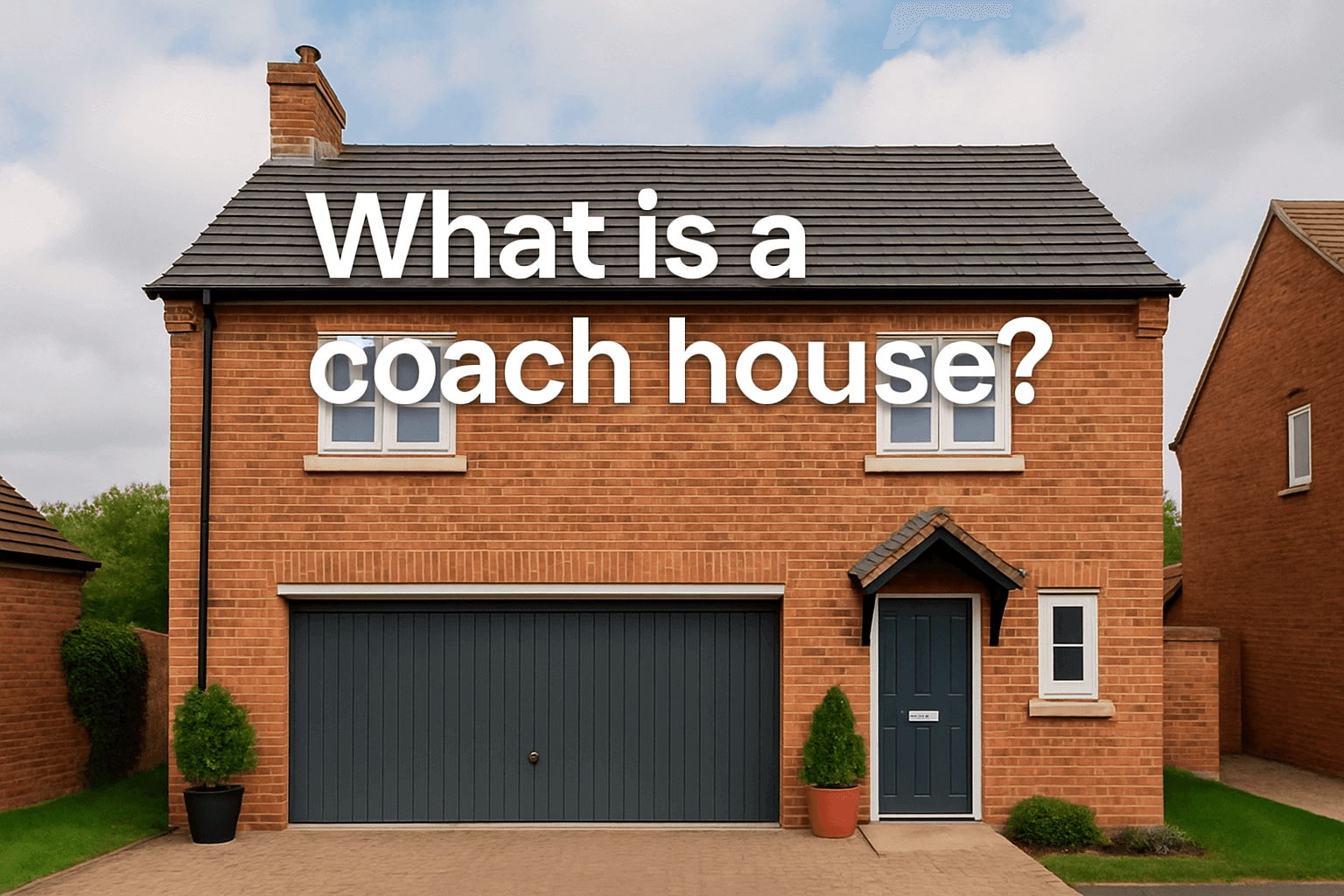
- What is a coach house?
Estimated reading time: 5 minutes
Table of contents
- 1. Origins of the Coach House
- 2. Defining Features of a Traditional Coach House
- 3. Why Coach Houses Have Become Desirable
- 4. Modern Coach House Conversions
- 5. Open-Plan Living
- 6. Mezzanine or Loft Bedrooms
- 7. Contemporary Amenities
- 8. Private Gardens or Terraces
- 9. Planning Permission and Listed Status
- 10. Pros and Cons of Living in a Coach House
- 11. Valuing a Coach House
- 12. Tips for Buying or Selling a Coach House
- 13. Conclusion
A coach house evokes images of historic properties, quaint outbuildings, and charming conversions. But what exactly is a coach house? In this article, we’ll explore the origins, characteristics, and modern uses of coach houses—answering the question “what is a coach house” and explaining why these unique dwellings are gaining popularity in the UK property market.
Origins of the Coach House
A coach house originally served as a dedicated outbuilding for storing horse-drawn carriages, coaches and related equipment. In Georgian and Victorian times, large estates and townhouses often featured:
- Coach House: Garaged expensive carriages and coaches overnight.
- Stables: Housed horses and tack.
- Cobbled Yard: Provided a turning area for the coaches.
- Coachman’s Quarters: Sometimes included living accommodation for staff.
These facilities formed an essential part of the service infrastructure for wealthy families who relied on horse-drawn transport.
Defining Features of a Traditional Coach House
To understand “what is a coach house” in its original sense, look for:
Architecture
Thick brick or stone walls, large arched doorways, and high ceilings to allow tall carriages to pass.Location
Often positioned at the rear of a main house or along mews streets (narrow lanes behind townhouses).Outbuilding Layout
A single ground floor space with storage for coaches and tack, sometimes with a hayloft or first-floor hay storage.Coachman’s Accommodation
A small flat above or adjacent for the coachman and his family or groom.
Why Coach Houses Have Become Desirable
In recent years, many coach houses have been sympathetically converted into modern homes. Prospective buyers ask “what is a coach house?” when they spot these desirable properties on the market. Key selling points include:
Character and Charm
Original features like exposed beams, cobblestones, and arched doorways create a unique aesthetic.Location
Often set within established neighbourhoods or exclusive mews close to city centres.Privacy
As separate dwellings with small footprints, coach houses offer tranquility away from the main roads.Sustainability
Converting existing structures can be more eco-friendly than new builds.
Modern Coach House Conversions
A converted coach house typically features:
Open-Plan Living
The ground floor becomes an airy living, dining, and kitchen space. Large windows or glass doors replace coach doors, bathing interiors in natural light.
Mezzanine or Loft Bedrooms
High ceilings permit lofted sleeping areas or mezzanines, maximizing space.
Contemporary Amenities
Underfloor heating, bespoke kitchen units, en-suite bathrooms—all integrated while preserving historical features.
Private Gardens or Terraces
Small courtyard gardens or roof terraces compensate for the footprint’s compact size.
Planning Permission and Listed Status
Homeowners considering “what is a coach house” as a purchase should know:
- Conservation Areas: Many coach houses sit within heritage zones subject to stringent planning controls.
- Listed Buildings: Alterations to a listed coach house require listed building consent.
- Permitted Development Rights: Converting an existing coach house to residential use may benefit from permitted development, but extensions often need full planning permission.
Always consult local planning authorities and engage an architect versed in heritage conversions.
Pros and Cons of Living in a Coach House
When evaluating “what is a coach house” for your lifestyle, weigh these advantages and drawbacks:
Pros
- Unique period features and character
- Quiet settings often in gated mews
- Potential for high property value growth
- Eco-friendly reuse of existing structure
Cons
- Limited floor space and storage
- Potential constraints on extensions or alterations
- Shared access lanes can lead to parking or access disputes
- Higher maintenance costs for historic fabric
Valuing a Coach House
If you’re asking “what is a coach house worth?” key factors affecting price include:
- Location: Proximity to schools, transport links, and city centres.
- Condition: Quality of conversion, structural integrity, and need for ongoing repairs.
- Size: Number of bedrooms, total square footage, and presence of outdoor space.
- Heritage Status: Listed properties often command premium prices but incur higher upkeep costs.
GetAgent.co.uk provides free instant valuations that reflect recent local sales of coach houses and mews properties. Use our online tool to compare your coach house to similar homes in your area and get expert advice on selling or buying.
Tips for Buying or Selling a Coach House
Survey Thoroughly
Look out for damp, subsidence, and inadequate insulation.Engage Specialists
Conservation architects and surveyors can identify potential planning constraints.Highlight Character
When marketing a coach house, showcase original features (e.g., beams, lantern lights, cobbles).Benchmark Prices
Compare with local mews houses and converted period properties to set or assess realistic values.Budget for Running Costs
Factor in potential high heating bills and maintenance of historic materials.
Conclusion
So, what is a coach house? Originally utilitarian outbuildings for storing horse-drawn coaches, these charming properties have evolved into sought-after residential conversions. Rich in character and often located in prime neighbourhoods, coach houses offer a blend of historic appeal and contemporary living. Whether you’re considering purchasing a coach house or simply curious about this unique property type, understanding its origins, features, planning considerations, and valuation factors will help you make an informed decision. For an accurate valuation or to explore coach houses on the market, head to GetAgent.co.uk and discover your next dream home.
Thinking about
selling your home?
Picking the right estate agent is vital for a successful sale. GetAgent makes choosing simple. Discover the best performing agents in your area.
- Free
- Data-driven
- No obligation
Thinking about
selling your home?
Picking the right estate agent is vital for a successful sale. GetAgent makes choosing simple. Discover the best performing agents in your area.
- Free
- Data-driven
- No obligation

Compare estate agents
It takes 2 minutes.




Get in touch
020 3608 6556
Our lines are closed
We are a company registered in England & Wales, company number 09428979.
Copyright © 2026 GetAgent Limited